Open: Mon – Fri – 8am – 6pm | Sat – 8am – 1pm

Physiotherapy

Are you getting ready to compete or train for a triathlon? Recovering from an injury, illness, or operation? Do you feel pain when you are sat at your desk? Perhaps you are just not moving as easily as you used to do? Physiotherapy treatment could be the solution you need.

What is Physiotherapy

Physiotherapy, also known as physical therapy, is a healthcare profession focused on improving and restoring physical function, mobility, and overall wellbeing. It involves assessing, diagnosing, and treating various conditions related to injury, illness, or disability that affect movement and physical performance. Physiotherapists use a range of techniques such as exercises, manual therapy, education, and specialized equipment to help patients manage pain, recover from injury, prevent future problems, and maintain a healthy level of physical activity. Physiotherapy can be beneficial for people of all ages and is commonly used in areas like rehabilitation, sports, and chronic condition management.
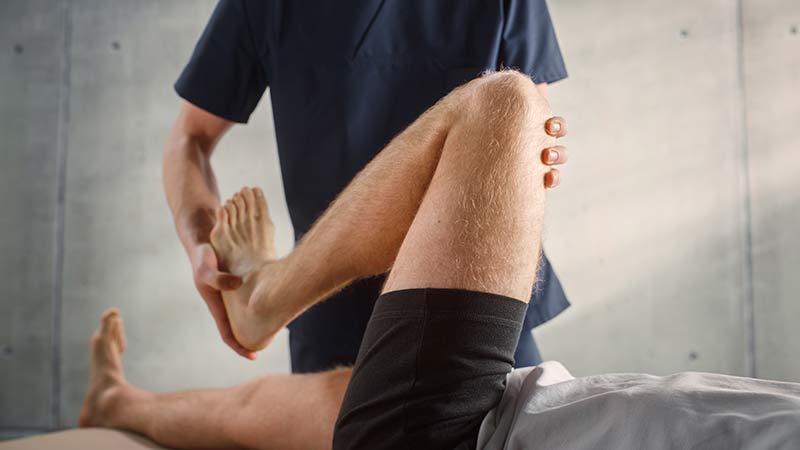
Expert physiotherapists in Kent

Benefits of Physiotherapy

Physiotherapy offers numerous benefits for individuals of all ages and with various health conditions. Some key benefits include:

  • Pain relief: Through manual therapy techniques, exercises, and modalities like ultrasound or electrical stimulation, physiotherapy can help reduce or eliminate pain.
  • Improved mobility and flexibility: Physiotherapy exercises and stretches can enhance range of motion, strength, and flexibility, making it easier to perform daily activities.
  • Injury recovery and prevention: Physiotherapists design personalized treatment plans to help patients recover from injuries and reduce the risk of future injury by improving muscle strength and coordination.
  • Post-surgery rehabilitation: After surgery, physiotherapy helps restore function, strength, and mobility, speeding up recovery and improving outcomes.
  • Management of chronic conditions: Physiotherapy is effective in managing long-term conditions like arthritis, heart disease, and diabetes, helping patients maintain mobility, reduce symptoms, and improve quality of life.
  • Enhanced athletic performance: Athletes benefit from physiotherapy through targeted programs that improve strength, flexibility, and performance while preventing injuries.
  • Neurological rehabilitation: For individuals with conditions like stroke, Parkinson’s disease, or multiple sclerosis, physiotherapy can improve balance, mobility, and coordination.
  • Improved posture and balance: Physiotherapists work to correct posture issues and improve balance, reducing the risk of falls, especially in older adults.

Overall, physiotherapy helps promote physical independence, reduce the need for medications or surgery, and improve overall health and well-being.

When should I see a physiotherapist?

Do you have mechanical pain that gets worse when you are engaged in certain activities? Do you have long bouts of pain that just won’t go away, or perhaps gets worse? Is the pain affecting your movement, preventing you from doing the things you love? Perhaps you’re recovering from an injury, illness or operation and you want to know the correct way to help your body recover? If this is true of your situation, then you could benefit from seeing a physio and at Physiologic, we have the patience, expertise, and knowledge to guide you back to optimum health.

What is physiotherapy used to treat?

There is a huge range of common complaints that are covered with this type of treatment. From back pain, neck and shoulder pain, knee pain, foot and ankle pain to sports injuries and help with movement or pain relating to illnesses or an operation. Physiotherapy can be helpful for people of all ages with a wide range of health conditions such as:

  • Muscular back pain
  • Sciatica

  • Disc protrusion

  • Bursitis

  • Tendinitis

  • Whiplash

  • Neck Pain

  • Rotator cuff pathology
  • Chronic overuse injuries

  • Tendon and ligament sprains

  • Frozen shoulder

  • Arthritis

  • Nerve impingement

  • Carpal Tunnel Syndrome
  • Tarsal Tunnel Syndrome
  • Movement problems relating from a stroke or Parkinson’s disease such as loss of balance.

  • To improve heart and circulation when rehabilitating after a heart attack

  • To improve lungs and breathing in patients with COPD and cystic fibrosis
  • Rehabilitation post total knee, hip and shoulder joints replacement
  • Rehabilitation post ACL ligament reconstruction

Physiotherapy is restorative and preventative

Manual therapy can help to restore you to your former level of fitness, help you train for a greater level of fitness, and through education, exercise, and advice it can help you to manage your level of fitness and movement going forward.
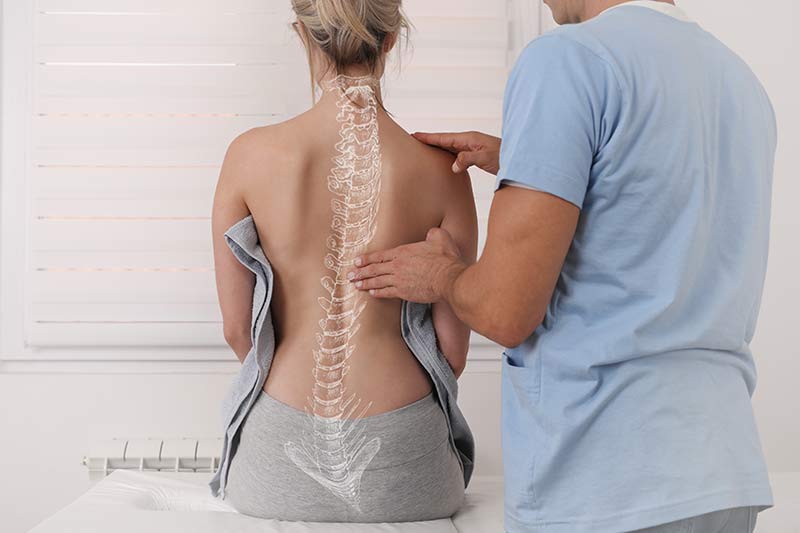
Physiotherapy is restorative and preventative

FAQ’s

Here are the answers to some questions we frequently get asked at the clinic. Please do contact us, if you have any questions, one of our dedicated clinicians will be more than happy to help you.

If you come as a private patient you won’t have to wait long for treatment. If you have been referred to us by your GP it can take longer, however we try to process our referrals as quickly as possible. In some areas, it is possible to refer yourself directly without going to your GP to be seen with an NHS referral. To find out if self referral is available in your area you can ask directly the reception staff at your GP surgery.
Your first treatment will take the form of an assessment to find out what help you need. Following on from that, we will create an individualised plan of treatment which will, in most cases, be a combination of manual therapy and a personal exercise programme of graded exercise progression. In the case of rehabilitation following an injury, illness or operation, personal treatments are created in line with consultant protocols to get you back to doing the activities you want to do.

You can also read our Client Charter with further information about the appointments

Physiotherapy focuses on rehabilitating specific injuries or conditions through exercises, manual therapy, and equipment-based treatments, targeting pain relief and improved mobility. Osteopathy, on the other hand, takes a holistic approach, treating the body as a whole using hands-on techniques like joint manipulation and soft tissue work to restore balance and promote natural healing. While physiotherapy emphasises rehabilitation and injury prevention, osteopathy focuses on addressing overall musculoskeletal health and its impact on the body’s systems.

Why not get in touch to book an appointment or simply for some advice? We are here and happy to take your call.

Accreditations

Chartered Society of Physiotherapy
General Osteopathic Council
Health & Care Professions Council